Ragi Dosa
South Indian • Vegetarian
How to Make Ragi Dosa (Traditional & Healthy Version)
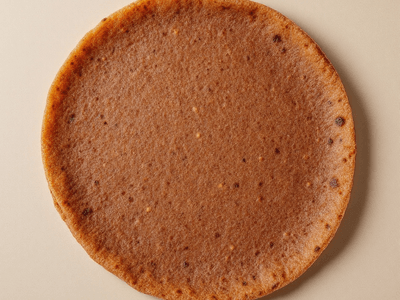
Ragi Dosa, a cherished South Indian delicacy, is a nutritious and delicious twist on the classic dosa. Originating from the regions of Tamil Nadu and Karnataka, this dosa uses ragi (finger millet) flour as its star ingredient. Known as 'kezhvaragu' in Tamil and 'raagi' in Kannada, ragi has been a staple grain in South Indian cuisine for centuries, prized for its earthy flavor and impressive nutritional profile. The dosa is typically thin, crisp, and slightly nutty, making it a wholesome choice for breakfast or a light snack. Unlike traditional rice dosas, Ragi Dosa is gluten-free and can be made instantly without fermentation, making it perfect for busy mornings or as a quick healthy meal. The batter, enriched with spices, onions, and green chilies, yields a savory, satisfying crepe that pairs beautifully with coconut chutney or sambar. Its rustic taste and hearty texture have made it a favorite in Indian households, especially among those seeking diabetes-friendly or weight loss recipes. Ragi Dosa stands out for its blend of tradition, health, and taste—making it an ideal addition to your Indian snack repertoire.
Ingredients(for 2 medium ragi dosas with 1 katori coconut chutney)
- 1 cup Ragi (finger millet) flour (fresh, sieved)
- 1/4 cup Rice flour (for crispness)
- 1/4 cup Curd (yogurt) (plain, low-fat) - optional
- 1 small Onion (finely chopped)
- 1 Green chili (finely chopped)
- 1/2 inch Ginger (grated)
- 8-10 Curry leaves (finely chopped)
- 2 tbsp Coriander leaves (finely chopped)
- 1/2 tsp Cumin seeds (jeera)
- to taste Salt
- 1.5 to 2 cups Water (as needed for batter)
- 1-2 tsp per dosa Oil or ghee (preferably cold-pressed oil)
Instructions
- 1
In a large mixing bowl, combine ragi flour, rice flour, salt, and curd (if using). Add water gradually to make a smooth, pourable batter. The consistency should be thinner than regular dosa batter.
5 minutes
Add water slowly to avoid lumps; use a whisk for best results.
- 2
Add chopped onions, green chili, ginger, curry leaves, coriander leaves, and cumin seeds. Mix well to evenly distribute the vegetables and spices.
3 minutes
Finely chopping the veggies helps the dosa spread thinner and cook evenly.
- 3
Let the batter rest for 10 minutes. This allows the flavors to meld and the flours to hydrate properly.
10 minutes
Resting the batter makes the dosa softer and more flavorful.
- 4
Heat a non-stick tawa or cast iron griddle on medium-high. Once hot, sprinkle a few drops of water—if they sizzle, the tawa is ready.
2 minutes
Always use a well-heated tawa to prevent sticking.
Why This Dish is Healthy
Ragi Dosa is one of the healthiest Indian breakfast options, especially for those managing diabetes, weight, or gluten intolerance. Finger millet's high fiber content keeps you full longer, aids digestion, and helps regulate blood sugar. The absence of refined flour and the use of wholesome ingredients make this dosa a light yet satisfying meal that fits well into calorie-conscious diets. It's a great way to enjoy traditional Indian flavors while prioritizing nutrition.
Ragi Dosa is highly nutritious, being rich in calcium, iron, dietary fiber, and essential amino acids. Ragi (finger millet) is naturally gluten-free and has a low glycemic index, making it excellent for blood sugar control. The inclusion of onions, ginger, and green chilies supplies antioxidants and micronutrients. With minimal oil and the option to use low-fat curd, this dosa delivers a healthy balance of complex carbs, plant-based protein, and very little fat—perfect for heart health and weight management.
Pro Tips
- 💡Tip 1: Use finely chopped veggies for even spreading and crispiness.
- 💡Tip 2: Always stir the batter before making each dosa to prevent settling.
- 💡Tip 3: For crispier dosas, use a cast iron tawa and cook on high heat.
- 💡Tip 4: Serve immediately for best texture and flavor.
Storage & Serving
Keeps for 6-8 hours at room temperature. Refrigerate the batter for up to 2 days; stir before using. Cooked dosas are best enjoyed fresh but can be reheated on a tawa.
Best served: Breakfast or Lunch
Nutrition Facts
| Nutrient | Per 100g |
|---|---|
| Energy | 150.0 kcal |
| Protein | 5.2 g |
| Carbohydrates | 22.0 g |
| Total Fat | 2.0 g |
| Fiber | 3.6 g |
| Sugars | 0.5 g |
| Iron | 2.7 mg |
| Calcium | 135.0 mg |
| Sodium | 210.0 mg |
| Potassium | 170.0 mg |
| Cholesterol | 0.0 mg |
| Vitamin A | 5.0 IU |
| Vitamin C | 0.0 mg |
| Magnesium | 55.0 mg |
| Zinc | 1.1 mg |
| Phosphorus | 110.0 mg |
| Vitamin D | 0.0 IU |
| Vitamin B1 (Thiamine) | 0.1 mg |
| Vitamin B2 (Riboflavin) | 0.1 mg |
| Vitamin B3 (Niacin) | 1.1 mg |
| Vitamin B6 | 0.1 mg |
| Vitamin B12 | 0.0 µg |
| Folate | 24.0 µg |